
What a body corporate grounds maintenance contract should include
The short answer. A body corporate grounds maintenance contract should include a site schedule, a line by line scope, visit frequency by season, a clear list of exclusions, how extra work is quoted and approved, what gets reported and when, the insurance and safety documents the contractor must hold, and the term, price review and notice period. If any of those are missing, the committee is relying on memory and goodwill rather than the contract.
Most disputes between owners corporations and grounds contractors are not about bad work. They are about work nobody wrote down. A quote tells you the price. The contract tells you what that price buys, how often, and what happens when something changes. Committees turn over, managers change portfolios and contractors change crews, so the contract is often the only record that survives.
I learned this on a site where the client once asked about keeping the trees lifted. I never formalised a price and they never came back to me, but later it was assumed to be happening. What ended the argument was the paper trail, and a final email confirming that the scope does not include tree care.
If you are still choosing a contractor, start with the grounds maintenance tender guide, and for budgets see what body corporate gardening costs. This piece picks up from there, with the clauses that belong in the signed agreement.
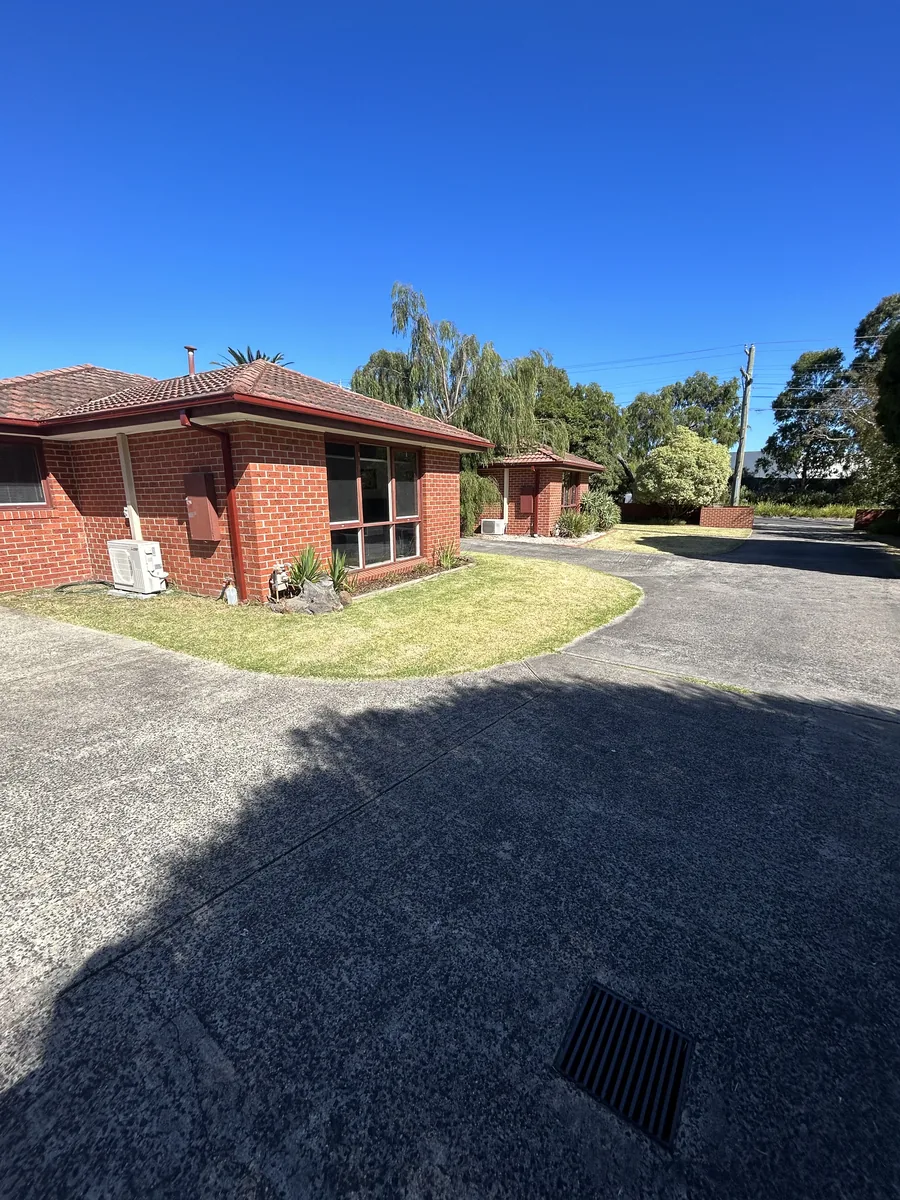
The strongest contracts attach a simple site schedule. It lists each area of common property and what happens there, such as the front lawns and nature strips, internal lawns, garden beds, hedges and screening plants, driveways and paths, bin enclosures and car park edges. A marked up site plan or a set of dated photos works well. When the scope says every path is edged, everyone can see which paths.
On one strata site the edge of the scope was disputed. I sent photos, the manager marked the areas on the plan of subdivision, the members were consulted, and the instruction came back to continue with the normal service, which was mowing, until further notice. A marked plan settled what memory could not.
Each task should say what is done, to what standard and how often. A useful scope covers
The clippings line is the one most often missing. In my experience roughly three quarters of scopes never say whether clippings are caught or left, and about a quarter of those managers are not sure what the difference means. It matters, because catching commonly costs 30 to 50 percent more than leaving the clippings on the lawn.
Say what the contract does not cover, too. On lawns-only engagements, residents often ask the mowing contractor to pull a few weeds or tidy a bed, and the honest answer is that I am not engaged for that, but I am happy to quote.
Heights are worth writing in millimetres rather than adjectives. The mowing height guide sets out sensible ranges by grass type.
Melbourne lawns grow hard from spring into early autumn and barely move through winter, so a flat weekly or monthly visit either wastes money or falls behind. A typical owners corporation program runs fortnightly through the growing season and stretches to every three to four weeks through winter, with hedge cuts timed to the main growth flushes. Write the seasonal pattern into the contract so it is not renegotiated every autumn.
Exclusions prevent most of the arguments. Common ones are tree work that needs an arborist or climbing, irrigation repairs beyond minor adjustments, storm clean ups, pest and disease treatments outside routine care, hard rubbish, and new planting or landscaping. None of these are unreasonable to exclude, provided the contract says so.
My own terms exclude trees over 3.5 metres, for a plain reason. I do not have a cherry picker and I am not insured at that height. Dumped waste is another. When a tyre turned up on one site, I photographed it and asked the manager how they wanted it handled, because litter picking is part of the service and dumped waste is not, and the terms say so.
For anything outside the scope, the contract should say how it is priced and approved. The simplest rule is a written quote approved by the owners corporation manager before the work starts, so no invoice ever arrives as a surprise.
A committee should not have to walk the site to know it is being looked after. Ask for a short note or photos after visits, and a seasonal condition report that records what was done, what is coming up and anything that needs a decision, such as a dying tree, a drainage problem, a failing irrigation line or a trip hazard.
When a tree came down on one of my sites, the manager had a message the same day saying the area was currently safe, with a photo attached. Every photo I take of something that stops work is stamped with the time, date and address, and uploaded to that site's card in my scheduling software, so the proof lives with the site record rather than in my camera roll. Reports like that turn a vague feeling about the gardens into something the manager can take to a committee meeting.
The contract should require current documents, supplied before work starts and on request after that.
Most committees are best served by a 12 month term that rolls over, with a notice period both sides can live with. Around 30 days either way is common for recurring grounds work. A long lock-in with no performance exit protects the contractor, not the owners. Include a simple way to raise a problem in writing and a reasonable time to fix it before notice is given.
The contract should also say when and how the price can change, for example once a year with written notice, so the budget is never ambushed mid-year.
Be wary of the opposite problem too. On a recent quote I was asked to work backward from a smaller annual budget, and the honest answer was that the lower spend could not deliver the same result. A contractor who matches any number with the same promises is telling you the first price was padded, or that corners will be cut.
Record the condition of the site when the contract starts, ideally with dated photos, so nobody argues later about what was inherited. Note keys, gate codes and access arrangements, and who holds them. I once spent fifteen minutes at a lockbox after getting my own code arithmetic wrong, like I was cracking a safe. Keys get the same care. On one site they live in a colour-coded bag, yellow for the toilet and blue for the shed.
Changeovers between managers are where scope goes missing. When a new manager inherits a site without the original scope of works, I re-confirm the terms in writing straight away, because otherwise assumptions fill the gaps. At the end of a contract, the same record makes handover to the next contractor clean, and keys and codes come back. For how a well run program looks day to day, see body corporate and strata gardening.
A checklist is easier to use with a real agreement beside it. Tell us about the common property and you get a free walkthrough, a line by line scope with the seasonal frequency written in, and one fixed monthly price, usually with a reply the same business day and rarely later than the next one.