
Storm season prep for body corporate and strata sites
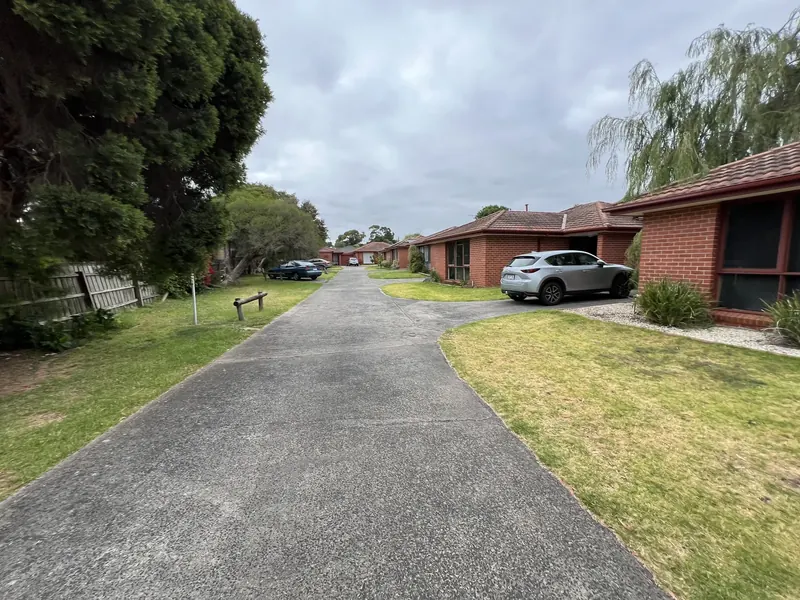
The short answer. Storm preparation on common property comes down to four jobs. Deal with dead and overhanging limbs, clear the drains and pits, secure or remove loose items, and take a dated set of photos of the site. All four are cheap to do in October and expensive to argue about in January.
The State Emergency Service treats spring and summer as Victoria's high risk season for storms, and its storm advice is short. Trim trees and branches back from buildings, keep gutters, downpipes and drains clear, and secure outdoor furniture and anything else that can blow around. On a strata site every one of those jobs belongs to somebody, and the trouble starts when nobody is sure who.
In Victoria the owners corporation must repair and maintain the common property, so storm preparation is a committee matter and not something to leave to individual residents. Anything inside a private lot is the owner's job, and the plan of subdivision shows where the line is. A regular grounds contractor is useful here for a plain reason, the same person is on site every few weeks and notices what has changed since the last visit.
One lap of the site with a phone covers most of it. Look for
Photograph each item as you go. The photos become the job list, and they double as the record of what the site looked like before the season.
Start by looking up. The priorities are dead limbs, limbs over roofs, carports and parking bays, and anything that rubs on a building or a fence in the wind. Write them down by location, so the list can go straight to an arborist.
Be clear about who does what. I do not work on trees over 3.5 metres myself. I do not own a cherry picker and I am not insured at that height, and my terms say so. What a grounds contractor can do is spot the problem from the ground, photograph it and tell the manager it needs an arborist and not a hedge trimmer.
Check the council rules before anyone starts a saw. Councils across the south-east protect established trees, and the size thresholds can be modest. In the City of Kingston, for example, removing or pruning a tree with a base circumference over 110 centimetres needs a local law permit, and planning controls can apply on top of that. Rules differ between councils and they change, so check the current page for yours. What matters in October is having the list and the bookings, because arborists are hardest to book in the week after a storm.
Grounds and stormwater meet at the pit grate. Leaf litter, bark mulch that has washed off a bed and grass clippings are what block surface drains, and a blocked pit turns a heavy downpour into water through garages and ground floor units. A sweep of every pit and grate on common property before the season removes most of that risk. So does keeping mulch inside proper edging, so it stays on the bed in heavy rain.
Last autumn's leaves are often still sitting in corners and along fence lines, and they are worth clearing now. The 12 month lawn and garden calendar shows where leaf work sits in the year. Anything below the grate, such as a blocked pipe or a pit full of silt, is a plumber's job, and the useful thing a grounds contractor can do is report it early.
Outdoor furniture, umbrellas, bins, trampolines near fence lines and materials left from unfinished works all become projectiles in a squall. A committee notice before storm season asking residents to secure their own items is basic and effective, and a tidy of the common areas deals with the rest. Shade sails deserve their own check of fixings and tension by whoever installed them, because a failed sail can take gutters and fascia with it.
Decide in advance what happens after a storm. Settle who attends first, what counts as making safe and what is scheduled clean up, how access works if a tree blocks the driveway, and who approves extra work. Most maintenance agreements treat storm damage beyond a defined scale as an extra that is quoted separately, and it is better to know that before the event than to discover it on an invoice. The contract checklist covers how exclusions and extras should be written.
For emergencies the order is simple. Call Triple Zero for anything life threatening and the State Emergency Service on 132 500 for a tree on a building or for flood and storm damage. Treat any fallen powerline as live and keep everyone well clear of it.
Sites on a regular program recover faster, simply because the contractor already knows the property. Every gate code, exclusion and quirk of a site goes onto its card in my scheduling software once and stays there, so I am not learning the property in the middle of a clean up. My week also keeps half a day of slack on Fridays as a shock absorber for rain, so a wet week does not push every site back. If your site runs on an ad hoc arrangement, storm season is a good reason to look at a fixed program.
After a major storm in February 2024, the manager of one complex I look after reported windblown green waste and a trimming backlog. I put on an extra Saturday clean up and an early Monday catch up, and kept the manager informed along the way. That site is written up on the body corporate and strata gardening page.
When a tree came down on one of my sites, I messaged the manager that day with a photo and the two words that mattered most, currently safe. That is the pattern worth asking any contractor for. Make safe first, tell the manager the same day, then schedule the full clean up so it is not done at emergency rates.
Wet ground needs patience as well. A ride-on mower marks soft ground, and on one site the owner asked me to stay off a soft patch until the grass recovered. That exclusion went onto the site card, and the same thinking applies after any heavy rain. Sometimes the right call is to leave the mowing and do the clean up.
Insurance conversations go better with before photos. A dated set of photos of the trees, fences, sails, pergolas and common areas, taken each spring, costs nothing and answers the first question an assessor is likely to ask, which is what condition things were in before the event.
When something on a site stops work, I photograph it with an app that stamps the time, date and address on the frame, and the photo goes straight onto the site's card, so the proof lives with the site record and not in my camera roll. A committee can do the same with any phone. Keep the set wherever the committee's records live, and refresh it each year.
Sites on a regular program recover faster, because the contractor already knows the property. Tell us about the common property and you get a free walkthrough, a written scope that says what is included and how extras are quoted, and one fixed monthly fee, usually with a reply the same business day and rarely later than the next one.