
Spring lawn and grounds preparation in Melbourne
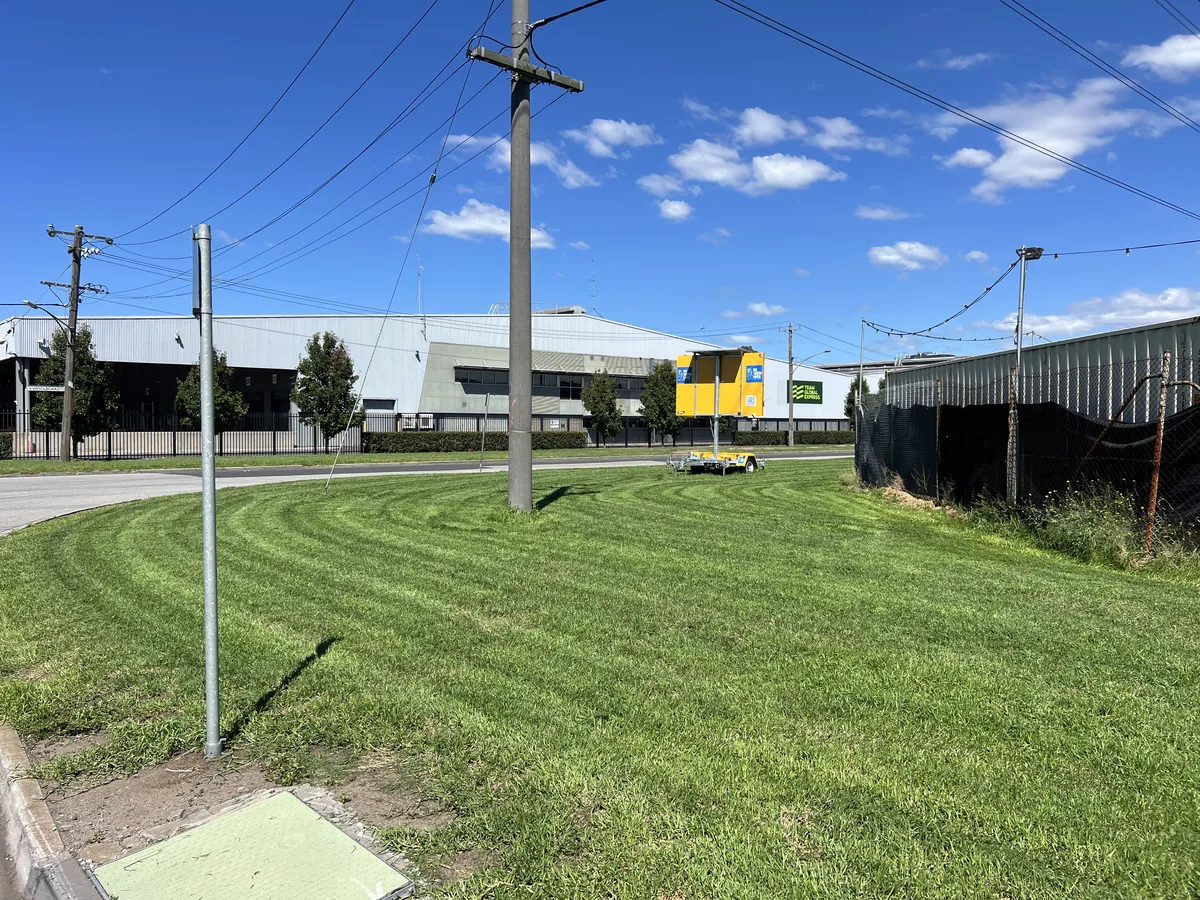
The short answer. Spring in Melbourne is decided in August and September. Warm season grasses wake when soil temperatures hold above about 14 degrees, weeds germinate on the same trigger, and hedges begin their first flush. Sites that feed, treat and lift mowing frequency in that window look sharp by October. Sites that wait until the growth is obvious spend the rest of the year catching up.
Most common property and commercial lawns in Melbourne's south east run warm season grasses: kikuyu, couch and buffalo. These grow hard from October to April and sit almost dormant through winter. Cool season blends of tall fescue and perennial ryegrass do the opposite, growing strongly in spring and autumn and struggling in high summer. Everything below flows from that split, so if you are not sure what a site is running, that is the first thing to establish on a walk through.
Air temperature is a poor guide in August because sunny days arrive well before warm soil. Warm season grasses begin moving when soil holds around 14 degrees and really run from 18 degrees up. In Melbourne's south east that usually means mid September to early October, a little earlier on sandy coastal soils and a little later on heavy clay. The same threshold wakes summer weeds, which is exactly why the preventative treatment window matters.
Crabgrass, summer grass and other seasonal weeds germinate as soil warms. A preventative treatment applied before germination stops most of them appearing at all, which is far cheaper than chasing established weeds through December. The window in Melbourne is roughly September into early October. Once soil is consistently warm the moment has passed for the season. If your grounds contractor runs a preventative program, this is the visit that should never slip.
Feed warm season lawns once they are actively growing, not before. A balanced slow release fertiliser in late September or October pushes recovery from winter wear, thickens cover and helps turf outcompete weeds. Spring is also the season for repairs, because bare patches reseed and recover best while there is warmth plus reliable rain. Strips beside paths and driveways usually need the first look, because constant foot traffic is why those edges thin out every winter.
Winter fortnightly or monthly mowing stops being enough somewhere in October. Growth on kikuyu in particular can double in a fortnight, and letting it get long then cutting it hard scalps the lawn and stresses it just as summer heat approaches. The rule that protects turf is simple: never remove more than a third of the leaf in one cut. In practice that means moving to weekly or ten day cycles on active sites through late spring rather than holding a winter schedule too long. Height matters as much as frequency and changes by grass type. Our guide to the right mowing height by species sets out the range for each.
Garden beds set up now hold through summer. Weed thoroughly while weeds are small, top mulch back up to around 75 mm before the heat arrives, and check irrigation lines while plants can still recover from any failures found. Hedges begin their first flush in spring, so a shaping cut in October holds lines longer than one in August. Edges along paths and kerbs define how a site reads from the street, and spring is when they start moving again.
Ask your contractor three questions in August. When is the preventative weed treatment scheduled. When does mowing frequency step up, and is that already in the agreement. What feeding or repair work does the site actually need this year, with a price. A written month by month plan for September to December is a reasonable thing to expect, and it is how body corporate grounds stay ahead of spring rather than behind it. Businesses and larger properties on standard rounds get the same seasonal plan through the lawn mowing and garden maintenance service.
The sites that look sharp by October are the ones with the dates already booked. Tell us about the property and you get a free walkthrough, a seasonal program set to your site, and one fixed monthly fee, usually with a reply the same business day and rarely later than the next one.